
Simple Ways to Use Amber and Rust Tones at Home
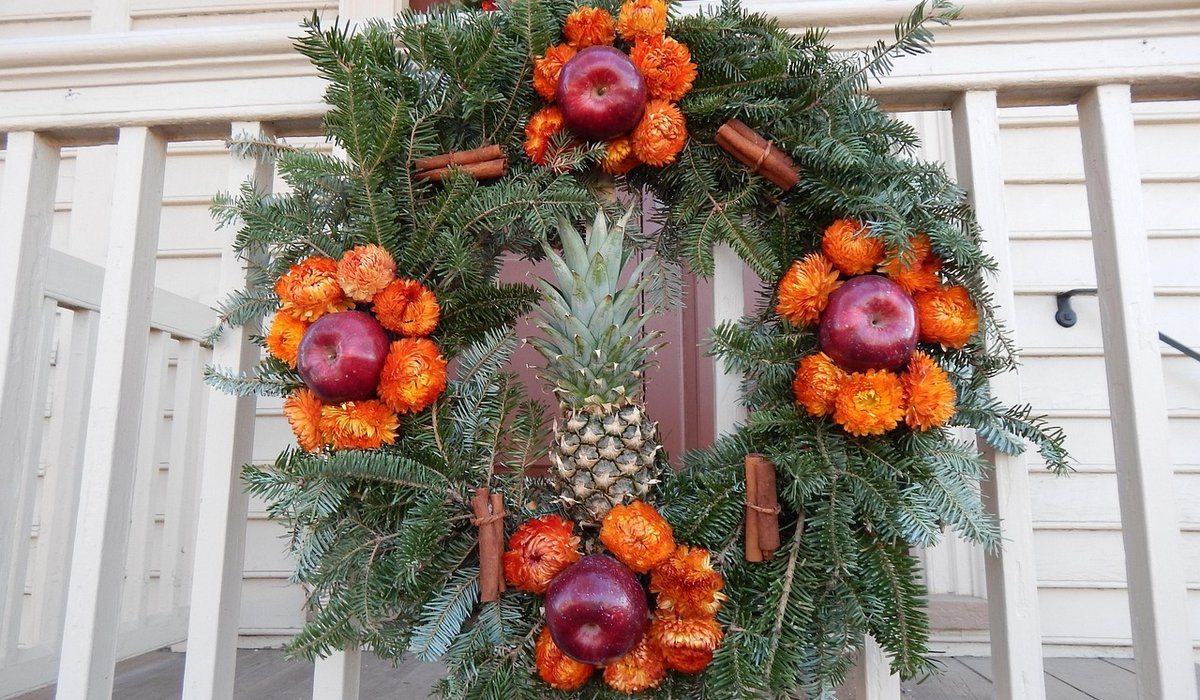
Why Amber and Rust Feel Right for Autumn
As the light shifts and the evenings draw in, our homes cry out for warmth. Amber and rust are the colours of turning leaves, of bonfires, and of that golden hour before sunset. They are also easy to live with, because they sit naturally alongside the neutrals most of us already have. The trick is to think of them as accents rather than a full redecoration. A single rust cushion or a small amber vase can change the mood of a room without overwhelming it. Unlike bright orange or red, amber has a brownish, honeyed depth, and rust carries an earthy, weathered quality. Together they create a cosy, grounded feeling that feels seasonal without being theatrical.
Cushions and Throws: The Quickest Way to Warm a Room
Soft furnishings are the most forgiving way to introduce autumn colour. Start with your sofa or armchair. A good rule is to use an odd number of cushions—three or five works well—and to mix sizes. A 50cm square in rust velvet makes a strong anchor, while two 45cm squares in amber wool or linen add texture. If you prefer a subtler look, choose cushion covers with a rust stripe or an amber geometric pattern on a neutral background.
Layer a throw over the arm of a chair or across the foot of a bed. A chunky knit in oatmeal or grey will balance the warmth of amber and rust, stopping the scheme from feeling too heavy. For a quick update, look for cushion covers with concealed zips so you can swap them with the seasons and store the out-of-season ones flat. Velvet, corduroy, and brushed cotton all feel appropriately autumnal, while a little linen keeps things from looking too dark.
Ceramics and Tabletop Styling
Pottery is another simple route into amber and rust. A stoneware mug with a reactive amber glaze, a rust-coloured serving bowl, or a small terracotta planter can sit on a shelf or table and immediately add warmth. Group items in threes or fives for visual balance, and vary the heights. A tall amber vase next to two low rust bowls creates an easy, natural arrangement.
On a dining table, use a rust table runner or a few amber glass tea light holders. Add a bowl of seasonal fruit—apples, pears, or quince—and you have a centrepiece that is both practical and pretty. When choosing ceramics, look for matte or satin glazes rather than high shine; they feel more handmade and less formal. If you have open shelving in the kitchen, dedicate one shelf to amber and rust pieces and keep the rest neutral. This stops the colour from becoming repetitive.
Artwork and Handmade Wall Pieces
Artwork is where you can be specific. A framed print of autumn leaves in rust and gold, an abstract painting with sweeping amber brushstrokes, or even a simple botanical drawing on cream paper will tie a room together. If you want to make your own, try leaf printing. Collect a few fallen leaves, paint one side with acrylic paint in rust or amber, and press onto thick watercolour paper. Lift carefully to reveal the veins. Frame the results in simple oak or black frames with wide mounts.
Another easy project is a fabric wall hanging. Cut strips of amber and rust felt or old wool blankets, then knot them onto a wooden dowel. Hang it above a bed or sofa. For a more polished look, stretch a piece of rust-coloured linen over a canvas frame and add a single horizontal line of gold paint. These pieces cost little but feel personal and seasonal.
Balancing Warm Shades with Neutral Walls and Natural Light
Amber and rust can become overpowering if every surface shouts autumn. Balance them with neutral walls in warm white, pale clay, mushroom, or soft oatmeal. These shades have a little grey or brown in them, which softens the contrast and lets the accent colours glow. Avoid cool brilliant white, which can make rust look muddy.
Natural light is your best friend. Keep windows clear of heavy curtains during the day. Sheer linen or cotton voile in a neutral tone will diffuse light without blocking it. Place a mirror opposite a window to bounce light around the room, and choose lamp shades in cream or parchment. Use warm white bulbs (around 2700K) in table lamps and floor lamps. In the evening, switch off the overhead light and use two or three lamps at different heights. This creates pools of warm light that make amber and rust feel rich rather than flat.
Simple Crafts to Try This Weekend
If you fancy a hands-on project, these are quick and satisfying.
- Painted terracotta pots: Give small pots two coats of rust or amber acrylic paint. Once dry, plant with a small fern or trailing ivy. Group three on a windowsill.
- Dipped candles: Buy plain cream candles and dip the bottom third in melted amber candle wax (or use a candle dye). Stand them in rust-coloured holders.
- Dried orange garland: Slice oranges thinly, bake on a low heat for two to three hours until dry, then thread onto twine with cinnamon sticks. Drape across a mantel or shelf.
- Felt acorns: Cut small circles of rust felt, sew into a cup shape, and glue onto a small wooden bead or real acorn cap. Scatter a few on a side plate or in a shallow bowl.
None of these require special skills, and they let you add a personal touch to your autumn styling. Rotate them with the seasons, and you will find that amber and rust become old friends rather than fleeting trends.


Make thoughtful presents such as flavoured salts, knitted accessories, and decorated notebooks that suit the cosy season without overspending.
Fill small fabric bags with lavender, cinnamon, and dried orange peel to create fragrant sachets for drawers and wardrobes.
Use simple brown paper, twine, and pressed leaves to wrap presents with a natural, seasonal style that costs very little.
Work quickly outdoors to capture trees, paths, and changing light, using a small kit that is easy to carry on walks.