
Foraging for Natural Art Materials on an Autumn Walk
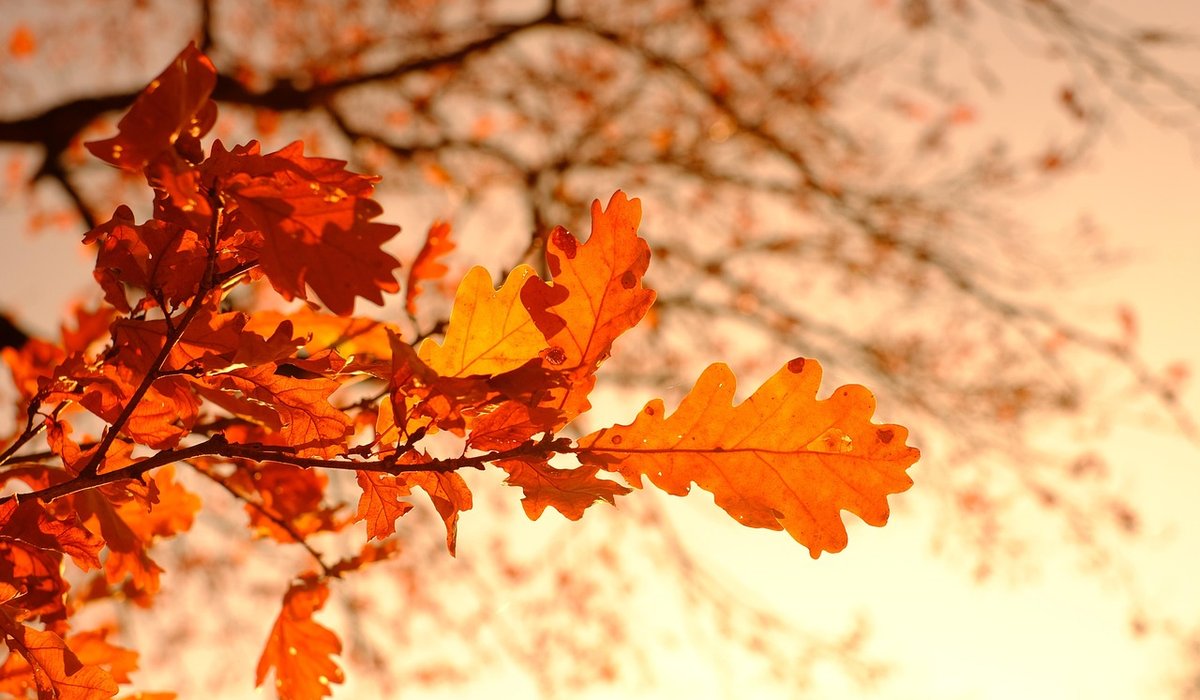
There's a fortnight or so each autumn when the countryside seems to be deliberately showing off — beech turning copper, haws and hips bright against bare twigs, and the ground soft underfoot with fallen leaves. It's the finest time of year to walk out with a bag and come home with a bundle of raw material for drawing, printing and making. Here's how to gather it well: what to look for, what to leave alone, and what to do with your haul once the kettle's on.
Head Out Prepared
A little kit makes the whole outing easier, and most of it is already in the kitchen drawer.
- A cloth bag or shallow basket for leaves, plus a couple of paper bags for anything damp or seedy
- A small pair of secateurs, for snips you're allowed to make, and gardening gloves for brambles and rosehips
- A pencil and a pocket notebook — half the value of a foraging walk is the notes you take while you're out
- Kitchen roll and a sheet of newspaper to keep your finds flat on the way home
- A phone or small camera for recording where things grow, so you can return next year
Go out mid-morning after a dry night if you can. Wet leaves turn mouldy in a bag within a day, whereas dry ones press beautifully and keep their colour for months.
What to Collect, and What to Leave Behind
The rule that carries you through every trip is simple: take only what has already fallen, and never more than you'll genuinely use. Good finds include oak, beech, field maple and sycamore leaves; sycamore keys and ash keys; conkers, acorns and hazelnuts; shed birch bark, which peels away in papery curls; and slender lengths of willow, hazel and dogwood that have snapped off in the wind.
Berries deserve restraint. Take a modest handful of rowan, hawthorn or rosehips from a bush that is heavy with them, and leave the rest — they are winter larder for blackbirds, fieldfares and redwings. A few more boundaries worth respecting:
- Never strip bark from a living tree, and never snap branches off shrubs to reach a berry cluster
- Do not uproot wild plants — it's an offence under the Wildlife and Countryside Act 1981, and it destroys next year's growth
- Avoid nature reserves, Sites of Special Scientific Interest and land you don't have permission to be on
- Skip anything you can't identify with certainty. Yew, deadly nightshade and several other common berries are seriously toxic, so wash your hands after handling them and keep them away from small children
Sketching With Your Finds
Autumn material is generous to draw because it has structure. A teasel head, an empty acorn cup or a single beech leaf gives you clear shapes and shadow, which is exactly what you want when you're learning to look properly.
Try making a twig pen. Whittle the end of a hazel or willow stick to a soft point, dip it in drawing ink, and you have a line with real character — slightly uneven, never mechanical. Steeped in strong tea or coffee instead of ink, it gives a warm sepia that suits seedheads and grasses particularly well. Work on cartridge paper at a small scale, and set yourself a ten-minute limit per study to keep your hand loose.
If you gathered willow, you can make charcoal too: bundle short lengths in a tin, punch a small hole in the lid, and bake it in a low oven or a fire pit until the sticks are black through. Let it cool completely before you open the tin. It's a smoky job, best done outdoors.
Printing, Rubbing and Pounding
Leaves are printmaking tools that cost nothing. Roll a little block printing ink or thick acrylic onto the veined underside, lay the leaf face down on cartridge paper, cover with a sheet of newspaper and press firmly with the flat of your hand or a clean roller. Lift the leaf away by its stalk. Oak and maple give strong, veiny impressions; sycamore is fainter but delicate.
For rubbings, place a leaf or a piece of birch bark under thin paper and drag a wax crayon or graphite stick sideways across the surface. Bark rubbings taken directly from trunks — cherry, oak and Scots pine are all rewarding — make a lovely record of a particular walk.
Hammered leaf prints are the project most likely to win over reluctant crafters. Lay a leaf veins-up on watercolour paper, cover it with kitchen roll, and tap evenly all over with a hammer. The tannins and pigments stain the paper in soft, ghostly shapes. Rose, oak and sumac leaves work especially well. It's noisy, so take it outside.
Simple Craft Projects for a Wet Afternoon
To keep leaves supple rather than brittle, preserve them in glycerine: mix one part glycerine with two parts warm water, submerge the leaves in a shallow tray, and leave them for three to seven days. Blot dry on kitchen roll. They'll stay soft and hold their colour for the best part of a year, which makes them far easier to sew and glue.
- Pressed leaf garland: machine- or hand-stitch preserved leaves onto a length of cotton thread, knotting between each one so they sit evenly
- Twig frame: lash four straight sticks into a square with garden twine and mount a pressed leaf or a small sketch behind it
- Seedhead posy: bind dried teasels, honesty and grasses with raffia for a jug on the windowsill
Styling Your Home for the Season
The best autumn styling is understated and slightly undone. Fill a wide wooden bowl with conkers and acorns and leave it on the hall table where hands will inevitably sort through it. Group jam jars of rosehips, honesty seedheads and dried hydrangea along a mantelpiece, and hang a simple twig wreath on the door — no ribbon needed.
For a table centrepiece, lay a linen runner down the middle, scatter acorns and cinnamon sticks, and stand two or three candles among dried seedheads. Keep everything away from radiators and direct sun, which fade colour and make leaves curl. Change the water in fresh displays every couple of days, and refresh the whole arrangement monthly. A seasonal shelf that quietly shifts from September to November is one of the small pleasures of the year — and it costs nothing but an afternoon's walk.


Introduce wool throws, velvet cushions, and woven baskets to make your living space feel inviting as the evenings grow cooler.
Bring autumn colours into your home through cushions, ceramics, and artwork, balancing warm shades with neutral walls and natural light.
Choose a comfortable chair, a soft blanket, and a good lamp to build a quiet corner for reading on dark autumn nights.
Make thoughtful presents such as flavoured salts, knitted accessories, and decorated notebooks that suit the cosy season without overspending.